
UNYIELDING BODIES
May 20, 2026
CECILE CHONG AND CHIN-CHIH YANG at Whitebox Portable at the MTA
June 9, 2026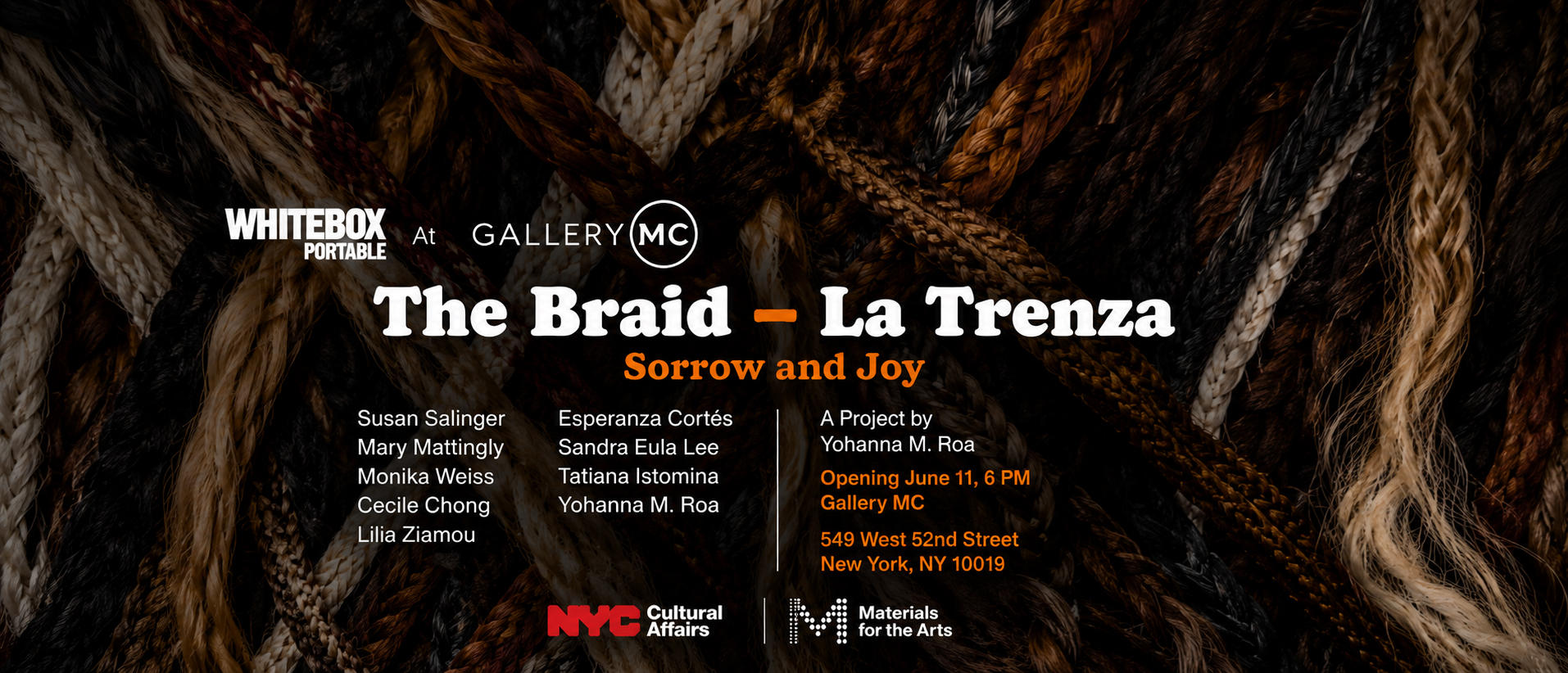
WhiteBox Portable is pleased to present the braid – la trenza: Sorrow and Joy, opening at Gallery MC on June 11, 2026.
Developed at a moment marked by political uncertainty, ecological crisis, forced migration, attacks on bodily autonomy, and the erosion of social support systems, the braid – la trenza proposes an alternative model of artistic production rooted in solidarity, interdependence, collective authorship, and care. A project initiated by Yohanna M. Roa and collectively curated by the participating artists, the exhibition brings together nine artists and features works by Susan Salinger, Yohanna M. Roa, Mary Mattingly, Monika Weiss, Cecile Chong, Lilia Ziamou, Sandra Eula Lee, Esperanza Cortés, and Tatiana Istomina.
La Trenza draws inspiration from the Indigenous Latin American tradition of minga, collective labor undertaken for the common good and reimagines it as a curatorial methodology grounded in mutual care, interdependence, and shared responsibility. The braid is not simply a device for organizing an exhibition. Rather, it is a collective curatorial practice through which artists reflect on their relationships to one another, on the ways we share knowledge, experience, vulnerability, and artistic production, and on how those relationships move from the private sphere into the public realm.
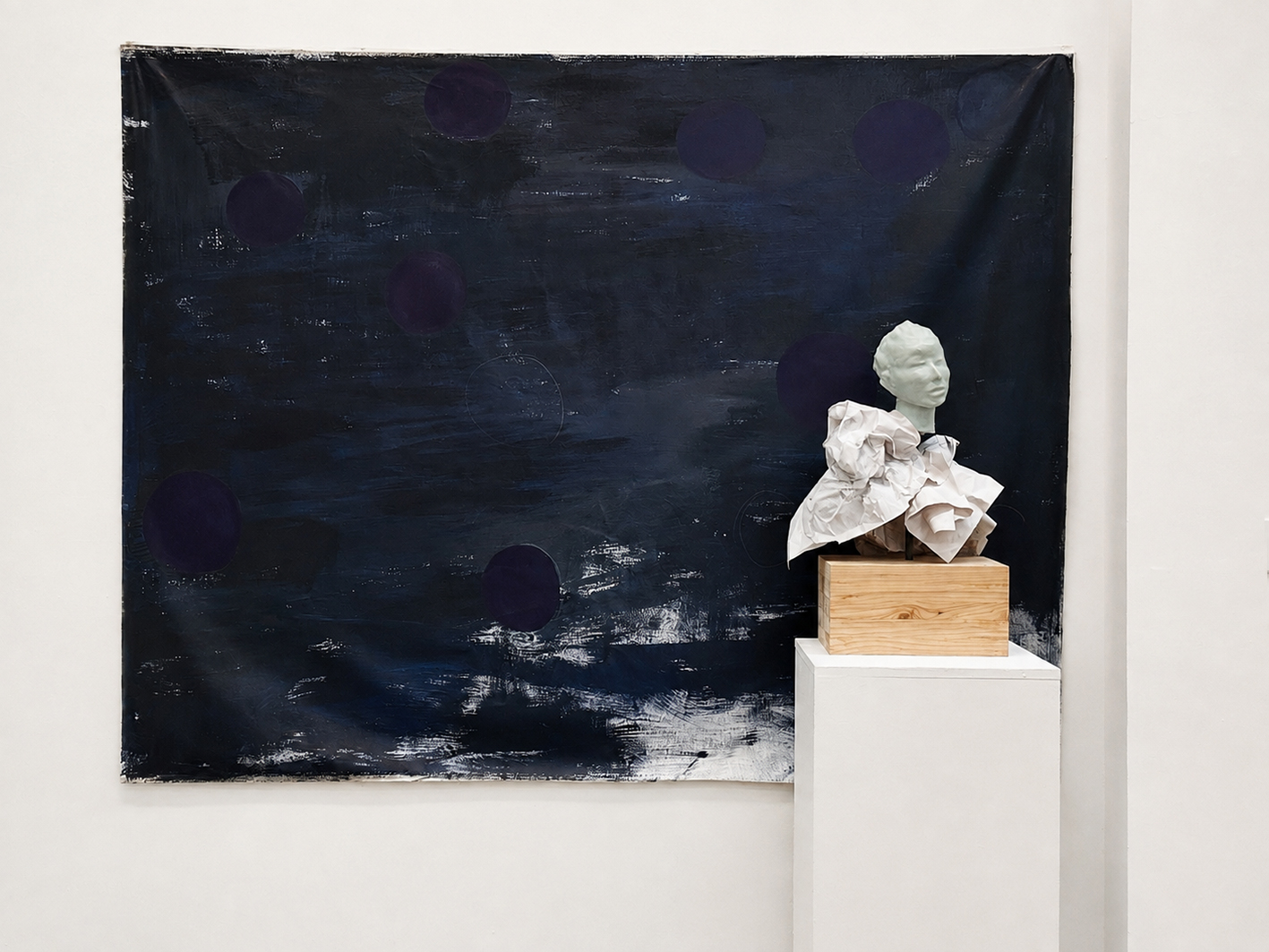
Susan Salinger, Letter to a Friend, 2026. Clay, wood, steel, paper, and canvas. 6 ft. × 5 ft. × 3 ft.
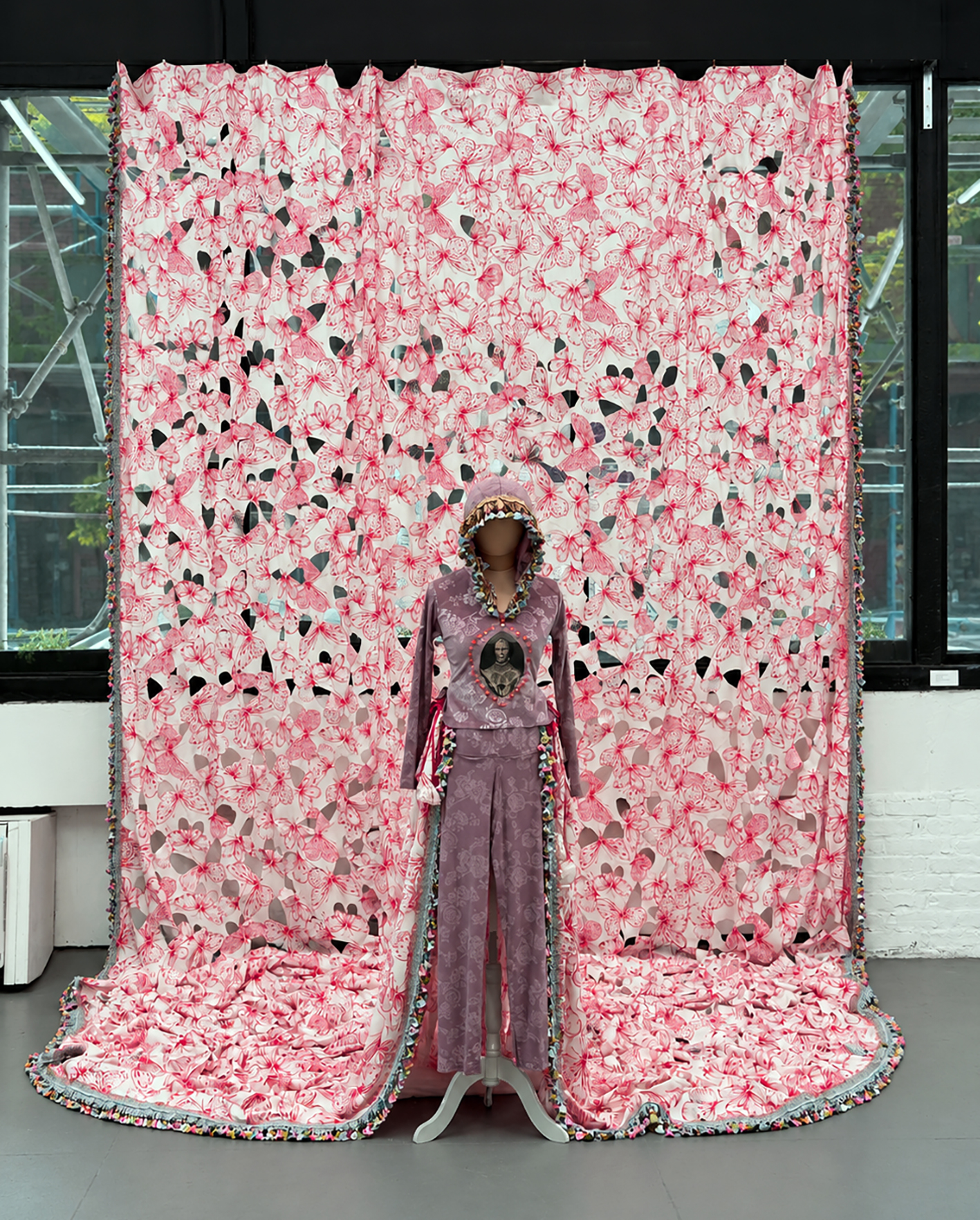
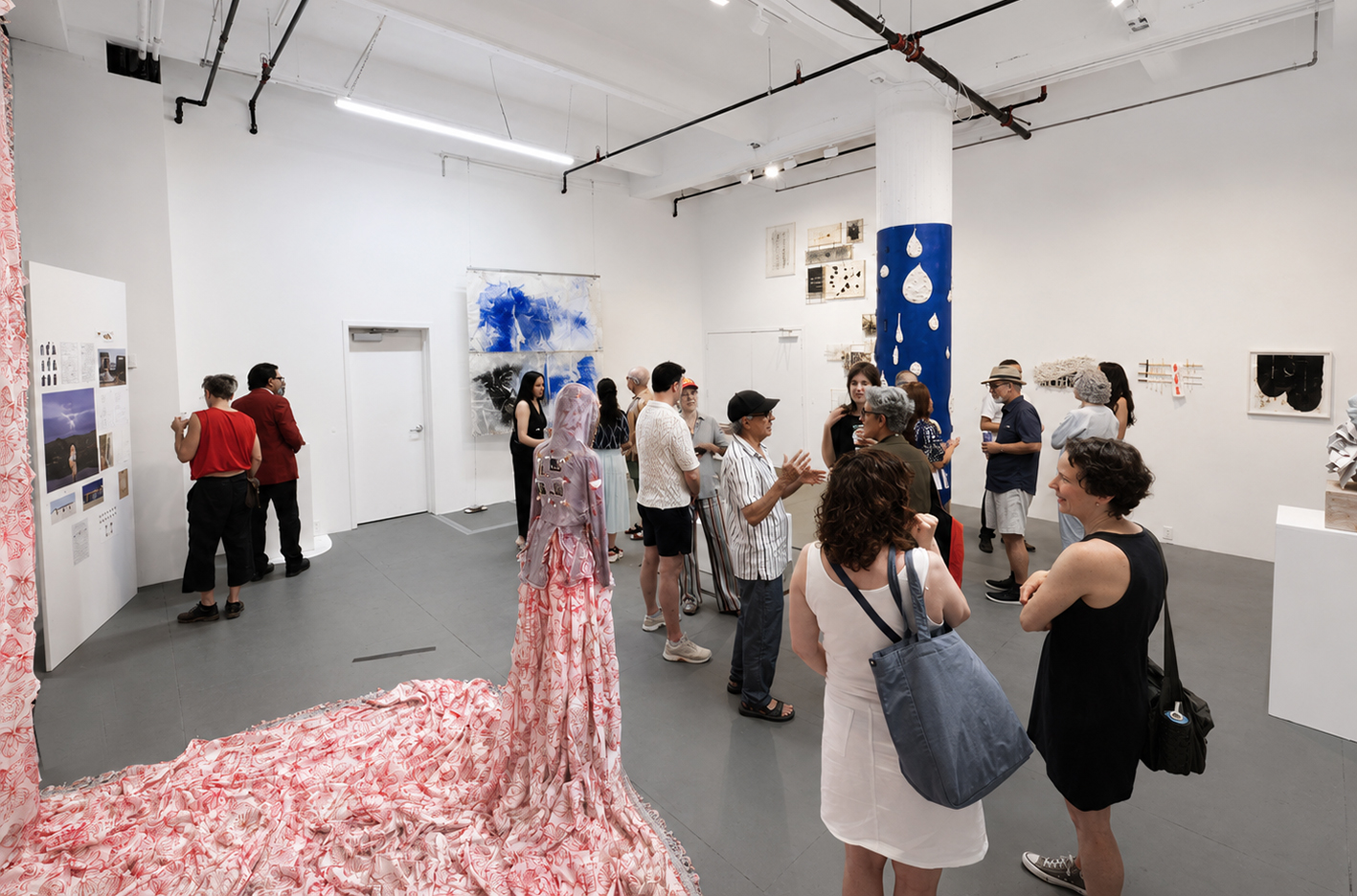
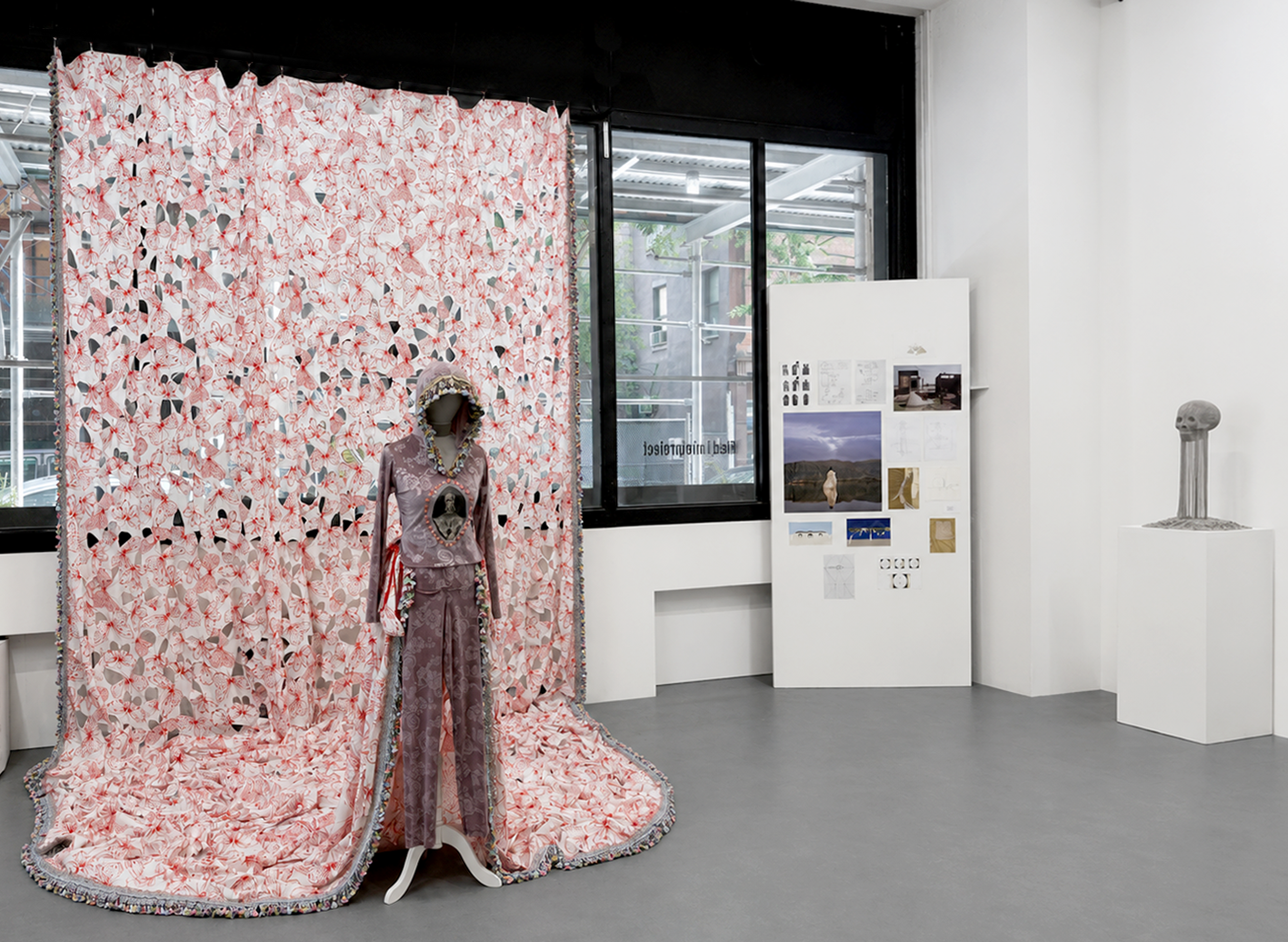
Yohanna M. Roa, Textile Woman, 2022–2025. Textile installation-performance. Dimensions variable.
Each artist responds to another artist's work, creating a chain of exchanges that gradually shapes the exhibition. Through this process, the relational structure of the collective becomes inseparable from the conceptual structure of the exhibition itself. The exhibition is not merely about community; it is produced through community. The ways we communicate, listen, support one another, and navigate differences become part of the curatorial framework and ultimately part of the work.
This process also acknowledges that collective practice requires responsibility. the braid – la trenza depends upon each participant's contribution. Delays, absences, or incomplete exchanges affect not only the organizational structure of the exhibition but also the communal fabric we are collectively weaving. At the same time, the project recognizes that illness, caregiving responsibilities, family emergencies, and other unforeseen circumstances are part of the realities that shape artistic practice. When such situations arise, the collective seeks solutions through dialogue, flexibility, and care. These moments are not hidden from the process but become part of the curatorial narrative itself, making visible the human conditions through which collaboration is sustained.
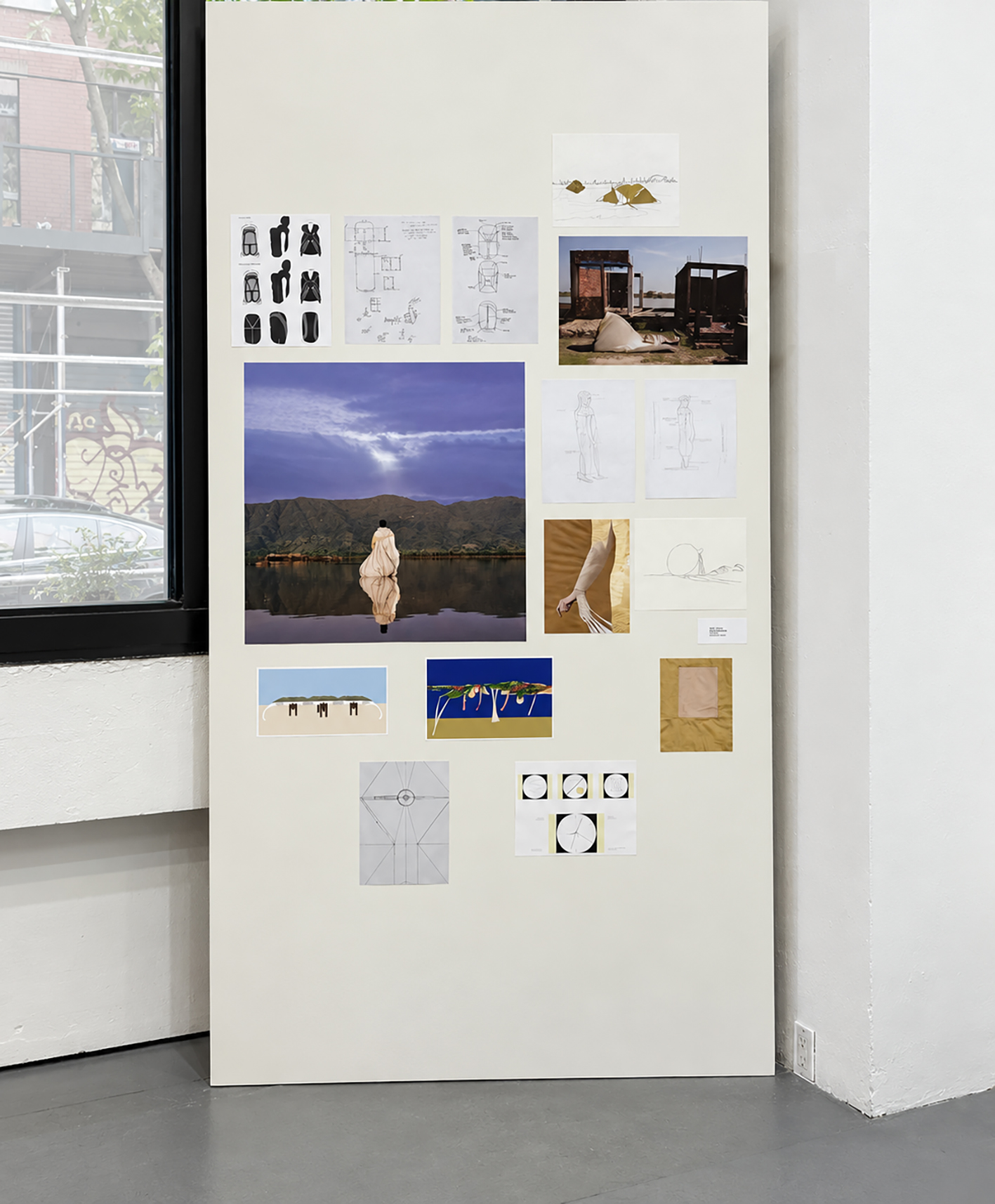
Mary Mattingly, Wearable Homes. Documents. Dimensions variable.
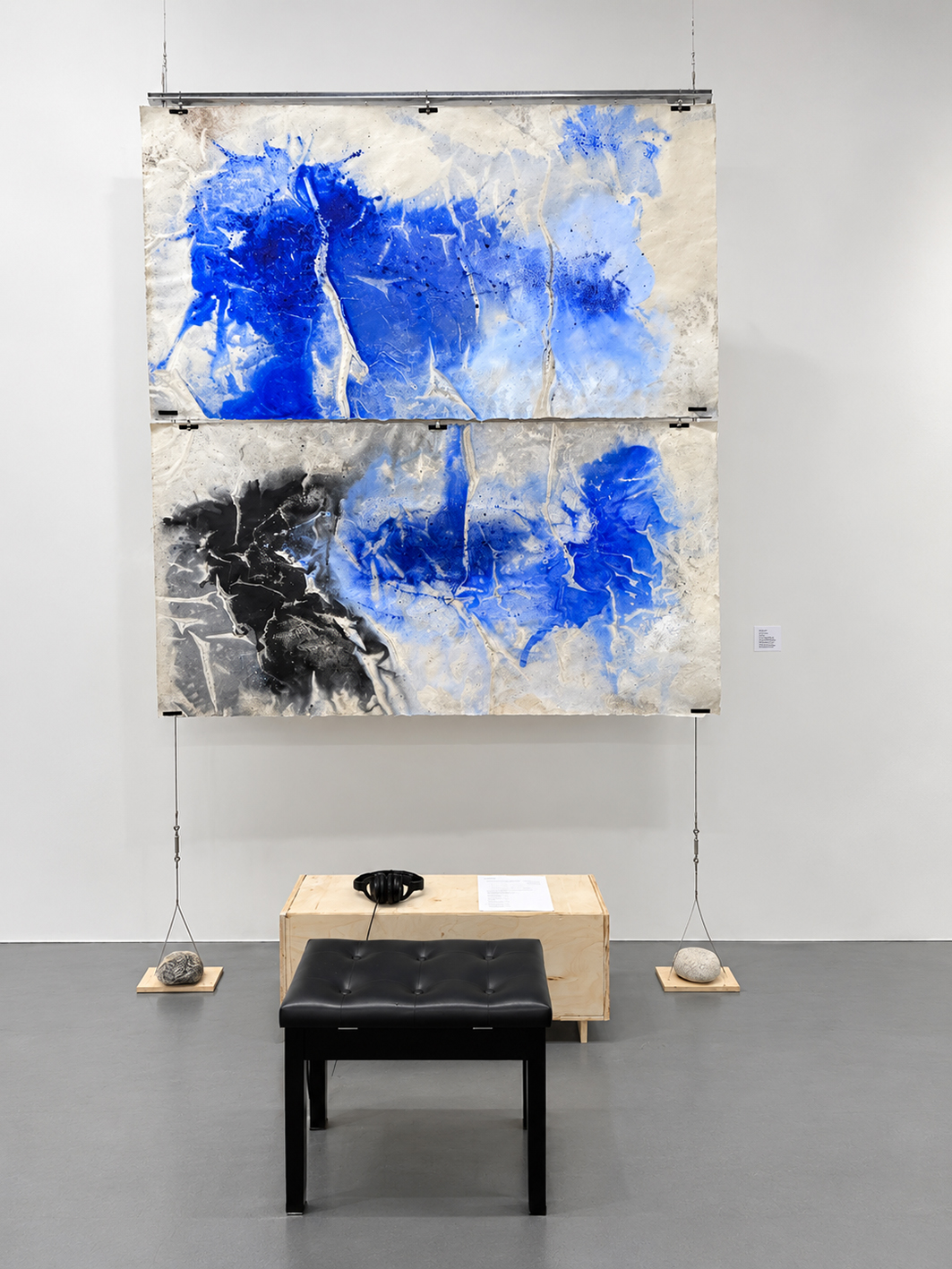
Monika Weiss, Lethe-Medusa, 2023–2026. Installation, dimensions variable
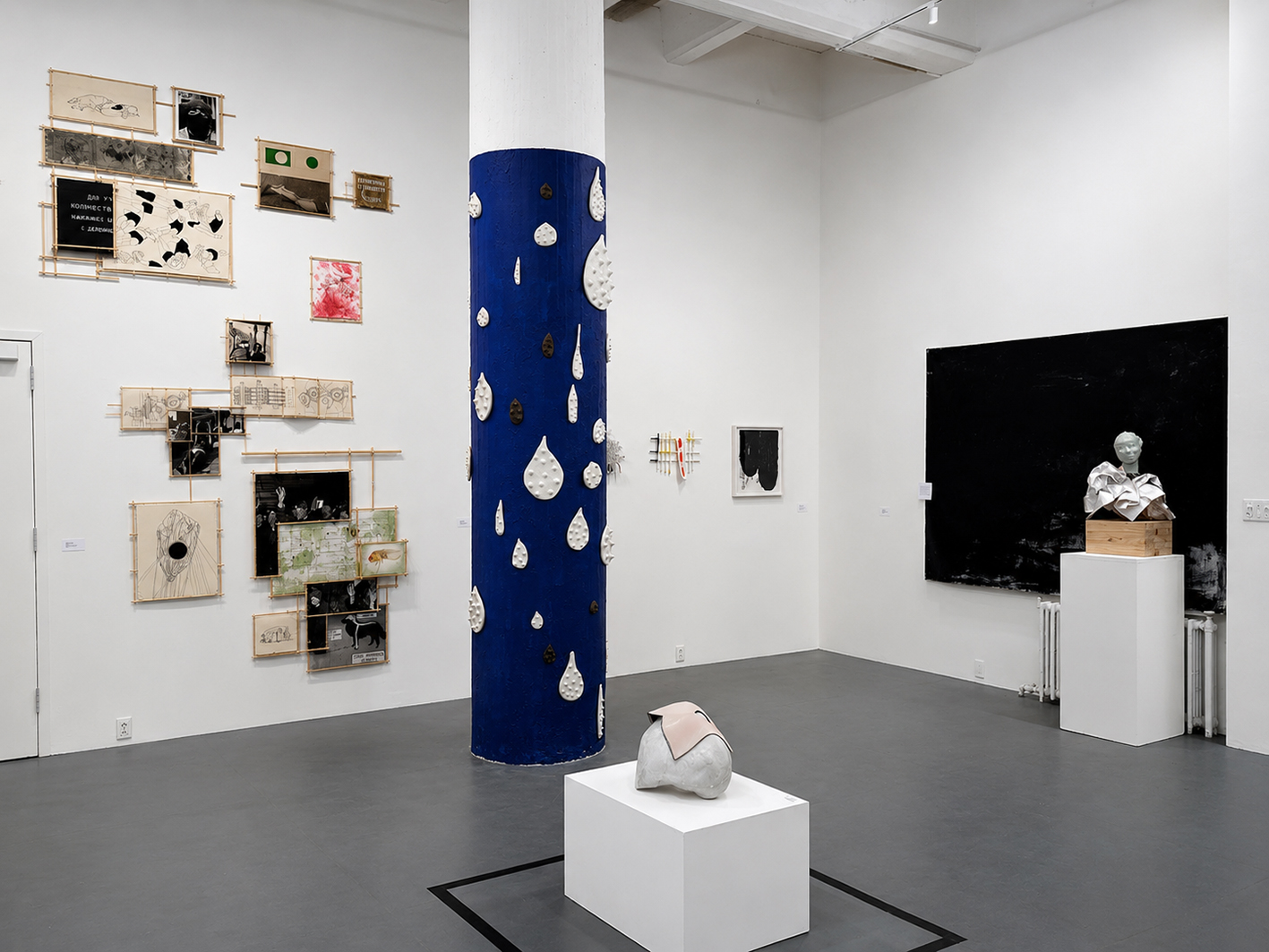
Tatiana Istomina, Flight Mechanics, 2021. Cecile Chong, Wailing Cacti, 2025. Lilia Ziamou, The Bone Wore Garters, 2022. Susan Salinger, Letter to a Friend, 2026
This second iteration, La Minga, Sorrow and Joy, situates that methodology within a shared political and emotional terrain. The exhibition explores the complex coexistence of grief and joy as intertwined conditions of contemporary life. The participating artists engage themes of migration, environmental collapse, historical memory, colonial legacies, bodily autonomy, technological transformation, collective resilience, and healing through community.
The exhibition unfolds as a sequence of responses, connections, and transformations. Susan Salinger's Letter to Janet begins with an intimate meditation on grief, memory, and collective healing, transforming personal loss into a participatory act of shared presence. Responding from another perspective, I, Yohanna M. Roa, present Textile Woman, which examines the entanglements of care, domestic labor, bodily autonomy, and liberation, drawing on family memory and the histories of women's work. Mary Mattingly's Wearable Homes extends these questions into the realm of ecological survival, imagining portable forms of shelter, community, and adaptation in the face of climate migration and environmental collapse.
Monika Weiss's Lethe-Medusa transforms lament into an ecofeminist act of deep listening, bringing together memory, forests, rivers, grief, and the enduring force of women's voices. Cecile Chong's Wailing Cacti continues this reflection through a meditation on migration, environmental fragility, and resilience, where cactus forms appear simultaneously as tears, seeds, and displaced bodies. Lilia Ziamou's The Bone Wore Garters shifts the conversation toward the body itself, exploring vulnerability, repair, technological intervention, and reinvention through sculptural form.
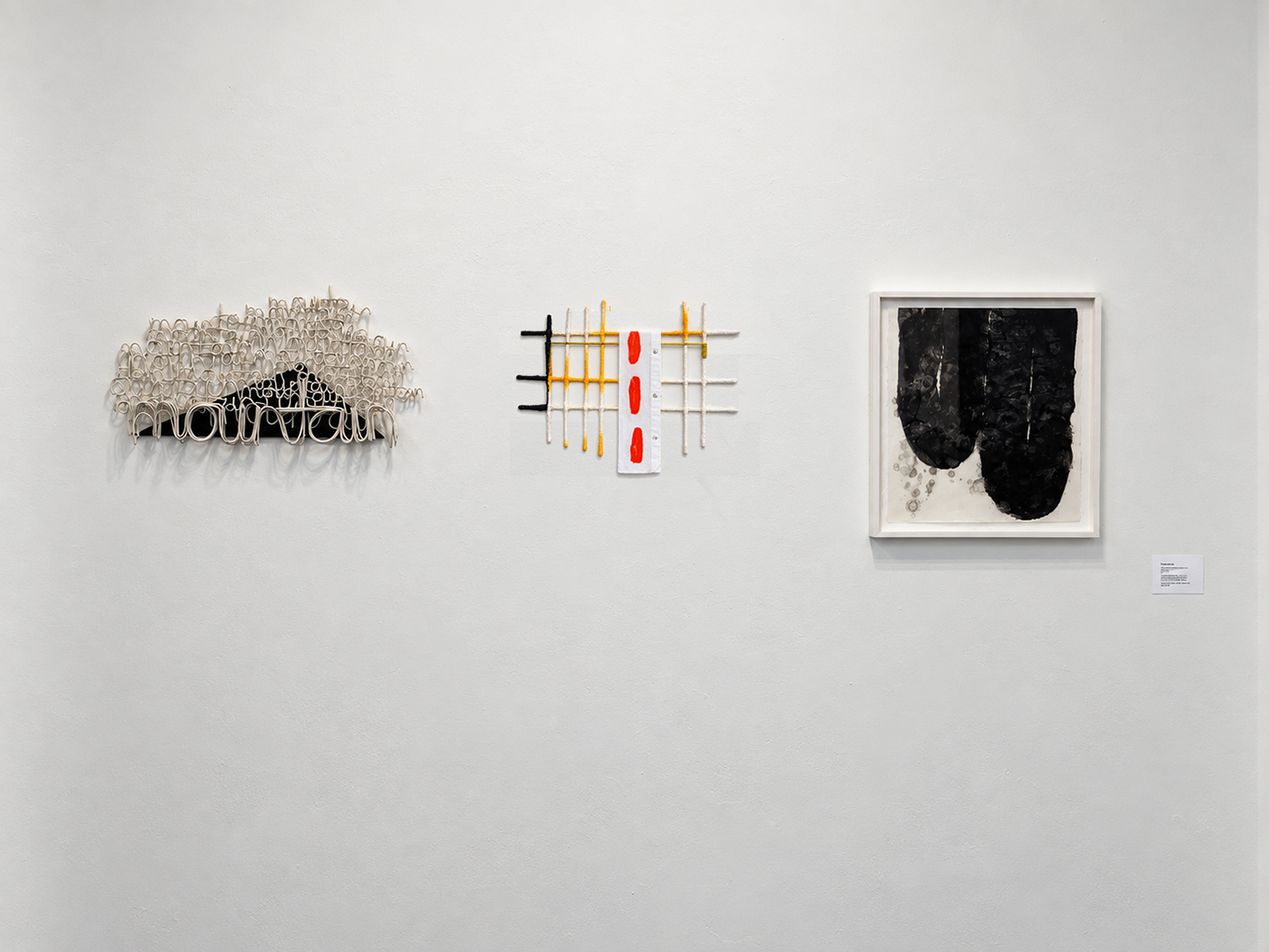
Sandra Eula Lee, The Walking Mountain (paved), 2016. Found electrical wire from construction sites in Seoul, thread, wood, and asphalt. 14 × 26 in.
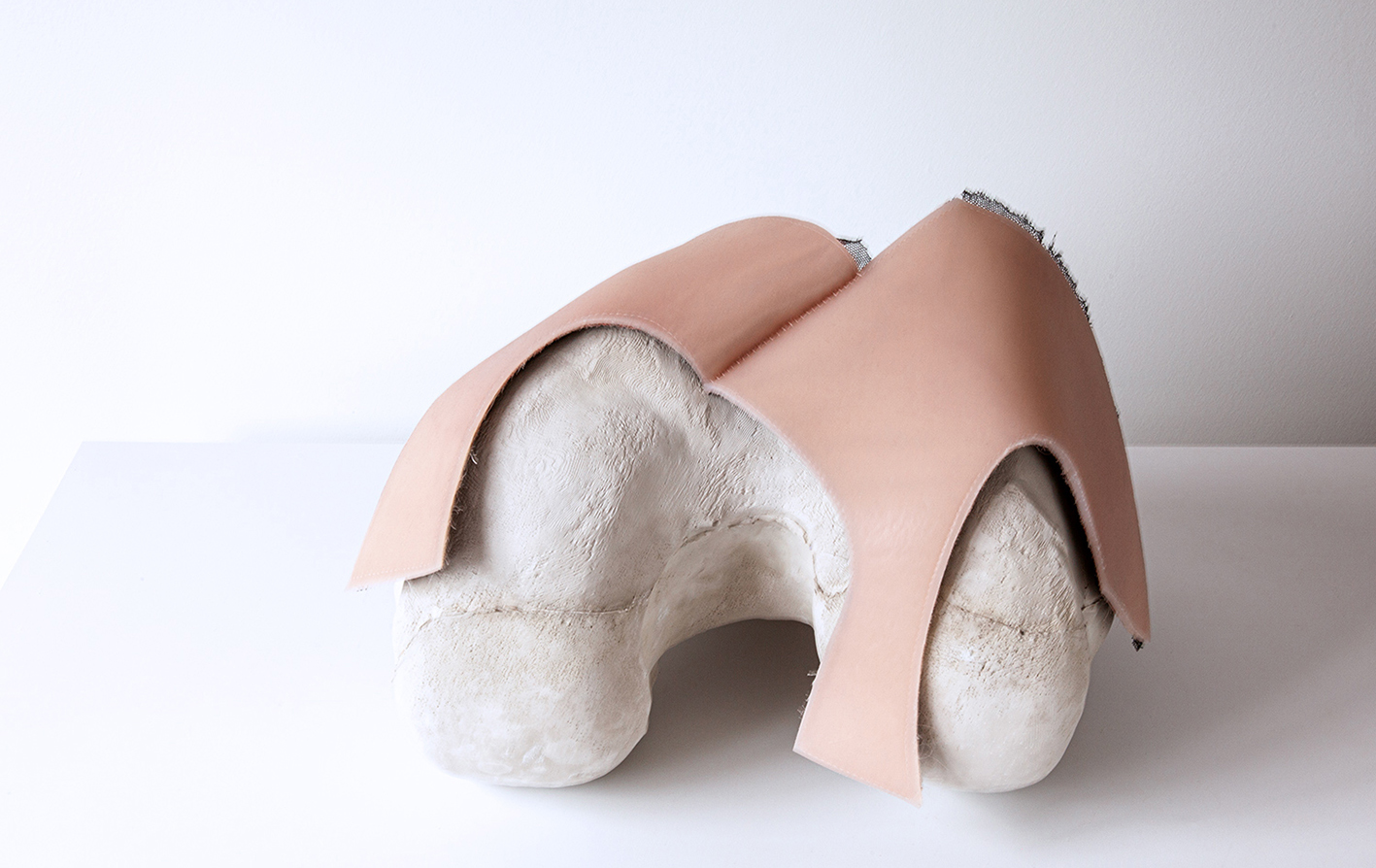
Lilia Ziamou, The Bone Wore Garters, 2022. Cement, treated fabrics, digital drawing, silicone, and threads. 15 × 13 × 10 in.
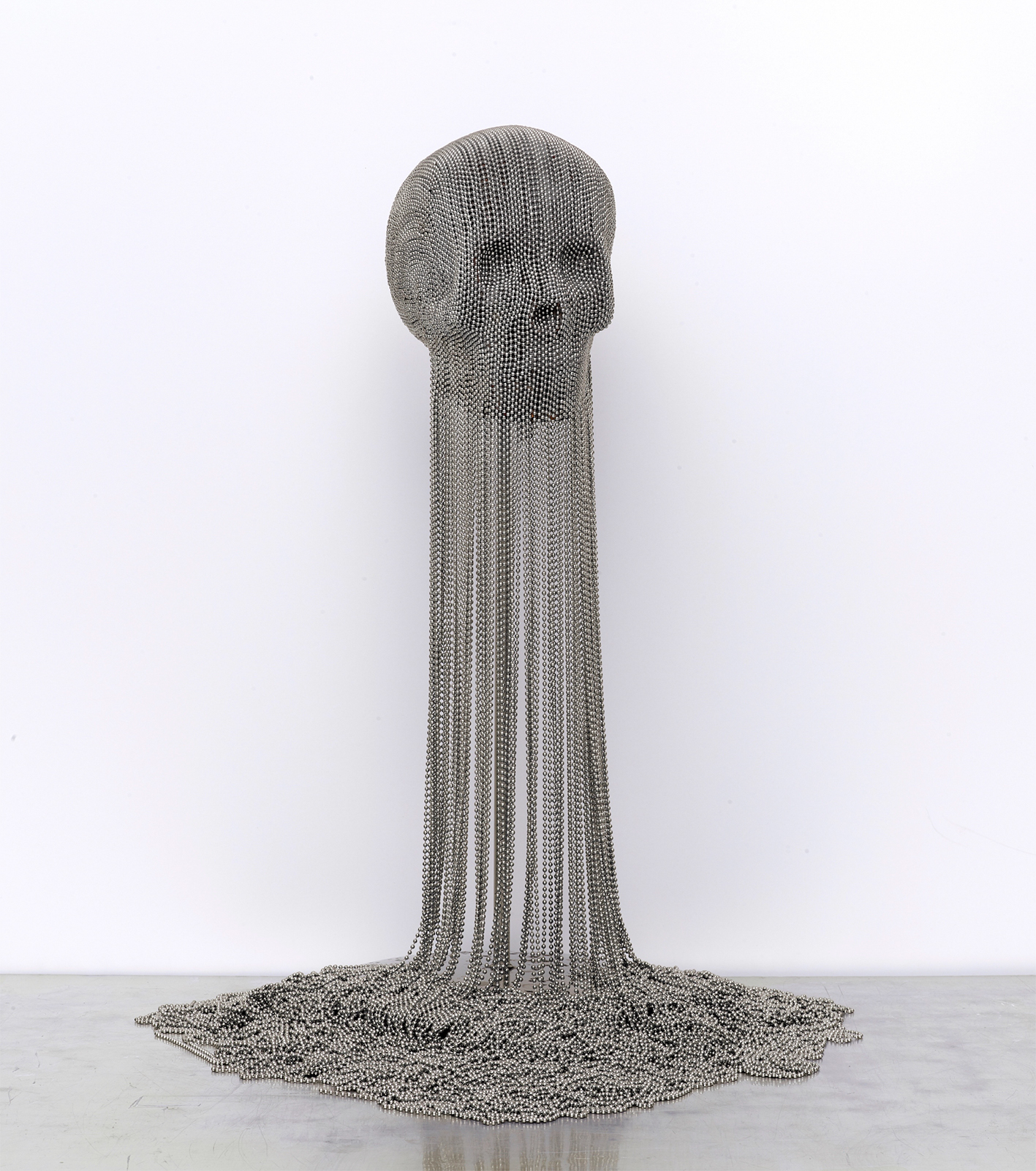
Esperanza Cortés, Flora and Fauna, 2015. Clay sculpture, ball chain, and found metal base. 20 in. H × 20 in. diameter.
Sandra Eula Lee's installation, consisting of The Walking Mountain (paved), Day (white shirt), and Day (double black), reflects on landscape, migration, labor, memory, and the cyclical transformations of built environments. Drawing from materials associated with construction, demolition, and repair, her work considers how histories of place and movement remain embedded within everyday forms.
Esperanza Cortés's Flora and Fauna addresses the ongoing aftermath of colonialism through a sculptural language that intertwines memory, labor, environmental devastation, cultural inheritance, vulnerability, and endurance. Finally, Tatiana Istomina's Flight Mechanics reflects on humanity's desire for transcendence while confronting the political, technological, ecological, and epistemological systems that shape both collective aspiration and collective vulnerability.
The opening reception featured special performances by Susan Salinger and Monika Weiss, activating themes of memory, lament, presence, listening, and collective witnessing that resonate throughout the exhibition.
Monika Weiss, Lethe-Medusa, 2023–2026. Performed as part of The Braid / La Trenza, Part II, presented by WhiteBox Portable at Gallery MC, New York, June–July 2026.
Opening Reception
Thursday, June 11, 2026
Special Performances
Susan Salinger
Monika Weiss
Exhibition Dates
June 11 – July 10, 2026
Gallery MC
549 West 52nd Street
New York, NY 10019
Presented by WhiteBox Portable at Gallery MC
A Project by Yohanna M. Roa
Developed through a Collective Curatorial Process by the braid – la trenza Collective